Agriculture remains one of Uganda’s most promising pathways for youth empowerment and sustainable livelihoods. Yet, for many young people, the challenge lies not in the lack of interest but in the absence of practical skills, mentorship, and market access. WORUDET, in partnership with AVSI, is bridging this gap through a two-year project designed to build the skills of youth aged 18 to 30 in horticulture, poultry, and apiculture enterprises. The initiative embraces the “earn as you learn” model, an approach that allows participants to gain hands-on experience while generating income. The project’s vision is to contribute to increased agricultural skill levels and meaningful youth employment in the agricultural sector. It […]
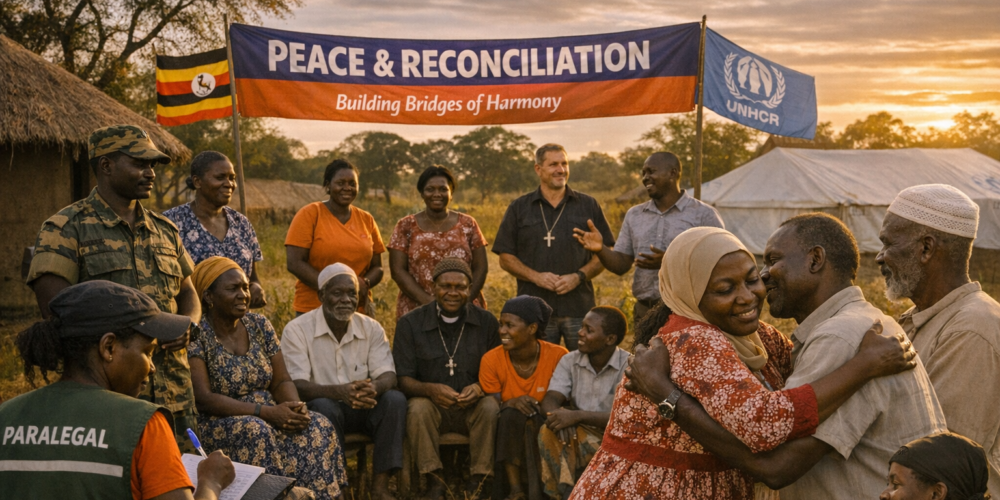
Advancing peaceful co-existence and respect for human rights among Refugees and host communities in northern Uganda The sub-region of Acholi in northern Uganda (now comprised of eight districts, namely: Kitgum, Pader, Lamwo, Agago, Amuru, Nwoya, Gulu and Omoro) experienced probably its worst modern-time political history in the last thirty years. In 1986, a military conflict erupted between the Government of Uganda (GoU) and the various local rebel groups that have emerged from time to time, most notably Joseph Kony’s Lord’s Resistance Army (LRA) and its predecessor, Alice Lakwena’s Holy Spirit Movement (HSM), which caused thousands of deaths and untold physical and psychological trauma on survivors. At the peak of the […]
Strengthened women’s meaningful participation in conflict prevention in Palabek Refugee settlement and host communities in Lamwo District. WORUDET with funding from WPHF and technical support from UN Women implemented a two-year project from January 2021 to January 2023 in Palabek Refugee Settlement and host community of Palabek Gem and Ogili. The project strengthens women’s voice, leadership and representation in programming, governance and public decision-making in the settlement. Existing and new community women’s groups will be strengthened to identify and overcome barriers to women’s participation, decision- making, and leadership in the humanitarian response aiming at an increase in refugee women being elected in the 2021 RWC elections. Overall, there is an […]
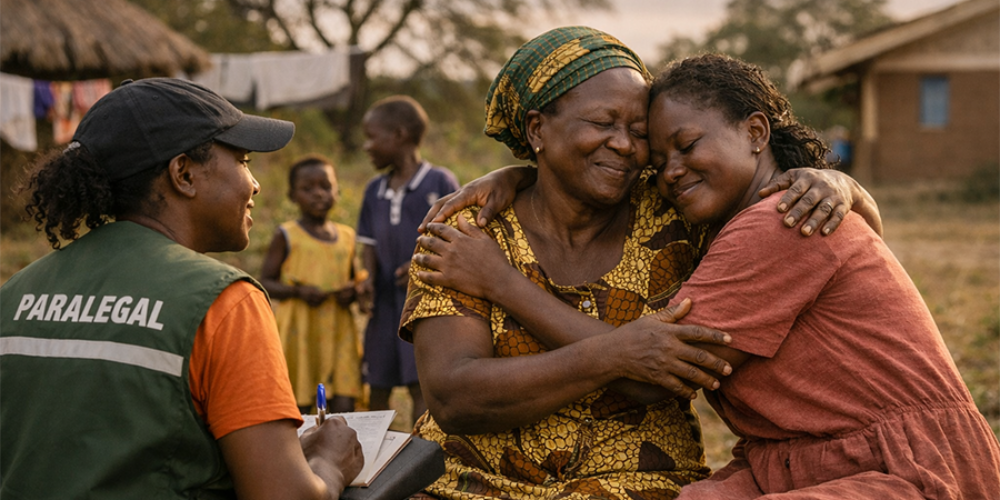
When Akwii Aidha, aged 65, lost her husband unexpectedly in 2022, her world changed overnight. Grief was soon compounded by tension when her eldest daughter moved back into the family home with her children. What began as a difference in opinion over schooling quickly escalated into conflict. Akwii, struggling with financial constraints, insisted on enrolling the grandchildren in a public school, while her daughter preferred a private one. The disagreement grew heated, and at one point, her daughter threatened violence. Seeking peace and understanding, Akwii turned to WORUDET’s paralegal, Aidha, for guidance. Through calm and structured dialogue, the paralegal facilitated a conversation between mother and daughter—helping them explore the realities […]
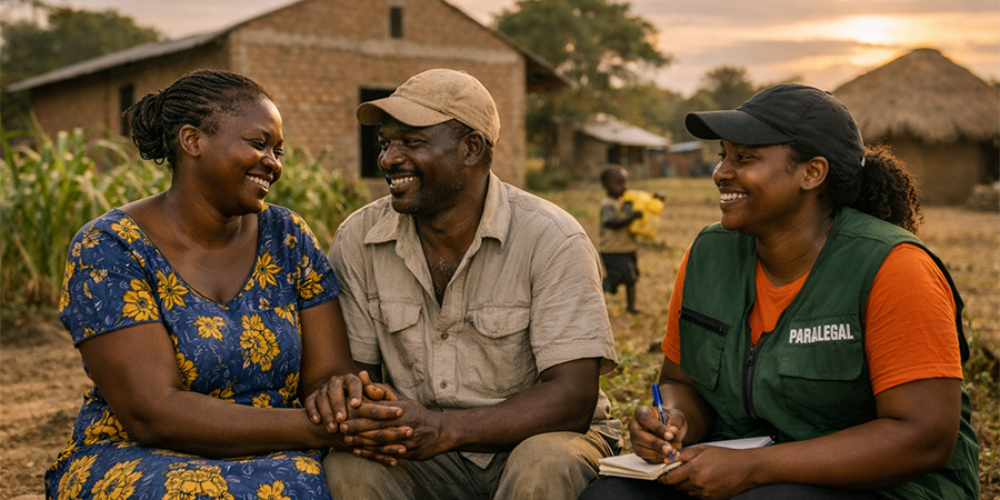
When Lalam Joyce, a 36‑year‑old mother of five, was abandoned by her husband, Franco Obita, her world collapsed. The business she had built was gone, her finances drained, and the emotional pain was unbearable. In her despair, Joyce contemplated walking away from her children—and even ending her life. The bottom had truly fallen out. Like many vulnerable women in the refugee resettlement, Joyce was referred to WORUDET’s paralegal team for support. She met Aidha, one of WORUDET’s trained paralegals, whose compassion and guidance became a turning point. Aidha listened, counseled, and later reached out to Joyce’s husband, initiating a mediation session that would change everything. During their conversation, Aidha shared […]
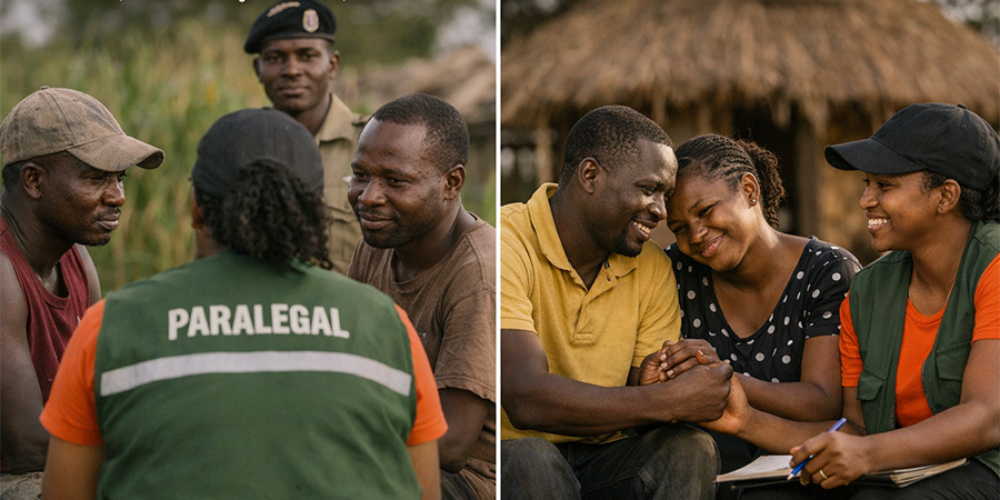
In Palabek Refugee Settlement, Lamwo District, James Okot found himself entangled in a boundary dispute that spiraled into a violent confrontation. With little hope for resolution, James turned to WORUDET’s paralegal network for help. Alfred, one of WORUDET’s trained paralegals, assessed the situation and urged restraint, advising James against retaliation and guiding him toward lawful action through the police. Alfred’s counsel extended beyond the immediate conflict. He emphasized the importance of modeling non‑violent behavior and fostering a culture of peace within the settlement. Though the perpetrator was not apprehended immediately, Alfred ensured that the case was properly documented. A medical examination was filed under P.F.3, and references were made to […]